
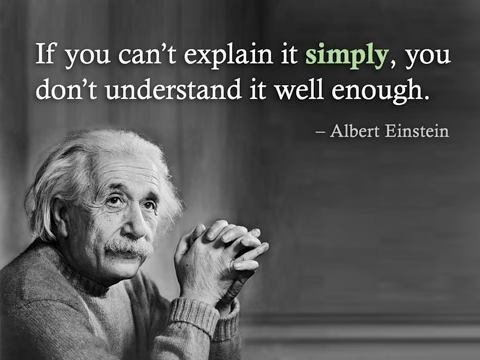
Why Do Students Know the Answers but Struggle to Explain Them in Interviews?
Focus Keyphrase: students struggle to explain answers
SEO Title: Students Struggle to Explain Answers in Interviews: Why?
Slug: students-struggle-to-explain-answers
Meta Description: Why do students struggle to explain answers in interviews? Learn why it happens and how to explain technical knowledge clearly.
Introduction
Many students struggle to explain answers in interviews even when they know the topic. They may remember definitions, formulas, and concepts from their classes, but explaining those ideas clearly can be difficult. This is especially common when an interviewer asks a follow-up question or asks the student to give a real-world example.
Knowing an answer and explaining an answer are two different skills. The good news is that both skills can improve with practice.
Why Do Students Struggle to Explain Answers?
Students often learn by preparing for exams. They read notes, remember important points, and practice questions that have clear answers. However, interviews can be different.
An interviewer may ask:
- Why does this work?
- How would you use it in a real project?
- Can you explain it in simple words?
- What happens if something goes wrong?
- Can you give an example?
These questions require understanding, communication, and problem-solving rather than simple memorization.
Students May Know the Theory but Lack Practice
One major reason students struggle to explain answers is a lack of practical experience.
A student may know what an API is from a textbook. However, explaining how an API is used in a project is easier when the student has actually worked with one.
For example, instead of only memorizing:
“An API allows two software systems to communicate.”
A student who has built a project may explain how their application used an API to send a request, receive data, and display the result.
In other words, practical work gives students something real to talk about.
Why Memorized Answers Fail in Interviews
Memorization can help students prepare for exams, but interviews often require flexible thinking.
A memorized answer may work for a basic question. However, when the interviewer changes the question slightly, the student may become confused.
For example, a student might memorize the definition of cloud computing. If the interviewer then asks why a company would use cloud services instead of maintaining its own servers, the student needs to understand the concept rather than repeat a definition.
Therefore, students should focus on understanding concepts instead of memorizing complete answers.
Students Struggle When They Cannot Explain Their Thinking
Interviewers are often interested in how a student approaches a problem.
Suppose an interviewer gives a coding problem. The student does not always need to solve it immediately. Instead, they can explain their approach step by step.
For example:
- First, understand the problem.
- Next, identify the important information.
- Then, consider possible solutions.
- Compare the solutions.
- Finally, choose an approach and explain why.
This makes the student’s thinking easier to follow.
How Stress Can Affect Student Interviews
Interview pressure can also make communication difficult.
A student may know the answer but suddenly forget important details when sitting in front of an interviewer. They may speak too quickly, give very short answers, or become afraid of making a mistake.
However, interview communication improves when students practice speaking about what they know.
Practicing with classmates, friends, teachers, or mock interviews can make the experience more familiar.
Real Projects Help Students Explain Answers
Projects can make a big difference because they give students real experiences to discuss.
Instead of saying:
“I know Python.”
A student can explain:
“I used Python to build a small application that processes data and produces a report.”
The second answer gives the interviewer something specific to ask about.
Projects also create opportunities to discuss mistakes, decisions, challenges, and solutions.
As a result, students can demonstrate both technical knowledge and problem-solving skills.
For more on building practical evidence of your skills, read Why Students Need Proof of Work, Not Just Certificates.
How Can Students Explain Technical Answers Clearly?
Students can improve their explanations by following a simple structure.
Start With a Simple Definition
Begin with the basic meaning of the concept.
Explain How It Works
Next, describe the main process in simple language.
Give a Real Example
A practical example makes the explanation easier to understand.
Mention Where It Is Used
Explain why the concept matters in real situations.
Be Ready for Follow-Up Questions
Finally, think about what the interviewer might ask next.
This approach helps students move from memorized definitions to meaningful explanations.
Practice Explaining Instead of Only Studying
One useful habit is to explain a topic aloud after learning it.
For example, after studying databases, close your notes and explain:
- What is a database?
- Why is it needed?
- What is a table?
- What is a primary key?
- Where have you used a database?
If you cannot explain something without looking at your notes, that topic may need more practice.
In addition, explaining concepts aloud can reveal gaps in your understanding.
Students can also use active recall and spaced repetition to strengthen what they learn. Read Active Recall and Spaced Repetition: The Study Techniques That Actually Work to learn more.
Use Simple Language During Interviews
Students sometimes think that using complicated words makes an answer sound more professional.
Usually, clarity matters more.
If you understand a technical concept, try explaining it as if you were teaching it to another student.
For example, instead of giving a long definition, explain the idea first and then add technical details if the interviewer asks for them.
Clear communication shows that you understand what you are talking about.
You can also improve this skill through Communication Skills for Students.
What Should Students Do When They Do Not Know an Answer?
Students do not need to know everything.
If you do not know the answer, avoid guessing randomly. Instead, be honest and explain what you do know.
For example:
“I haven’t worked with that technology yet, but I understand the basic idea. I would like to learn more about how it is used.”
This is better than giving an incorrect explanation with confidence.
At the same time, students should use unfamiliar questions as a way to identify what they need to learn next.
How Interview Practice Can Improve Explanations
Regular interview practice helps students become comfortable answering questions aloud.
Start with basic questions about your education and projects. Then move to technical questions and follow-up questions.
You can also record yourself answering questions and listen to the recording later. Notice whether your answers are clear, too long, too short, or difficult to follow.
For more preparation strategies, see Technical Interview Preparation: The Complete Guide.
Knowledge Is Only One Part of an Interview
Technical knowledge is important, but students also need to communicate that knowledge.
A student may understand a programming language, database, networking concept, or AI tool. However, the interviewer needs to understand what the student knows and how they think.
That is why students struggle to explain answers when they prepare only by reading and memorizing.
Instead, combine learning with practice, projects, problem-solving, and communication.
Final Thoughts
Students do not always struggle in interviews because they lack knowledge. Sometimes, they simply have not practiced explaining what they know.
The solution is not to memorize more answers. Instead, understand concepts, build projects, practice explaining your ideas, and prepare for follow-up questions.
Over time, students can become more comfortable turning their knowledge into clear answers.
The goal is simple: don’t just know the answer. Learn how to explain it.
Internal Links
- Technical Interview Preparation: The Complete Guide
- Communication Skills for Students
- Why Students Need Proof of Work, Not Just Certificates
- Active Recall and Spaced Repetition: The Study Techniques That Actually Work
- Problem-Solving Skills for Students
Outbound Links
Featured Image SEO
Image filename: students-struggle-to-explain-answers-interviews.jpg
Image alt text: Students struggle to explain answers during job interviews
Image title: Students Struggle to Explain Answers in Interviews
Image prompt:
A realistic editorial-style photo of a college student during a job interview, sitting across from an interviewer and trying to explain a technical concept, laptop and interview notes on the table, slightly nervous but focused expression, modern office environment, natural lighting, realistic photography, professional education and career theme, diverse Indian college student, no logos, no watermark, 16:9 landscape.