
Effective note-taking isn’t just about writing things down—it’s about capturing, organizing, and understanding information in a way that makes learning easier and faster. Whether you’re a student, professional, or lifelong learner, the right note-taking method can significantly boost your productivity and retention.
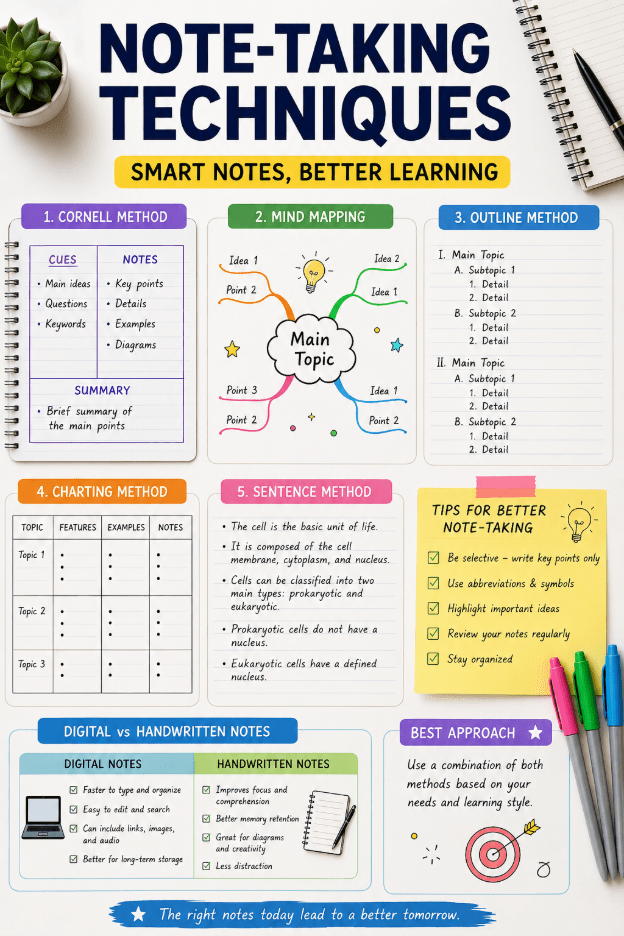
Why Note-Taking Matters
Good notes help you:
- Retain information better
- Stay organized
- Improve focus during lectures or meetings
- Make revision quicker and more efficient
- Turn passive listening into active learning
Popular Note-Taking Techniques
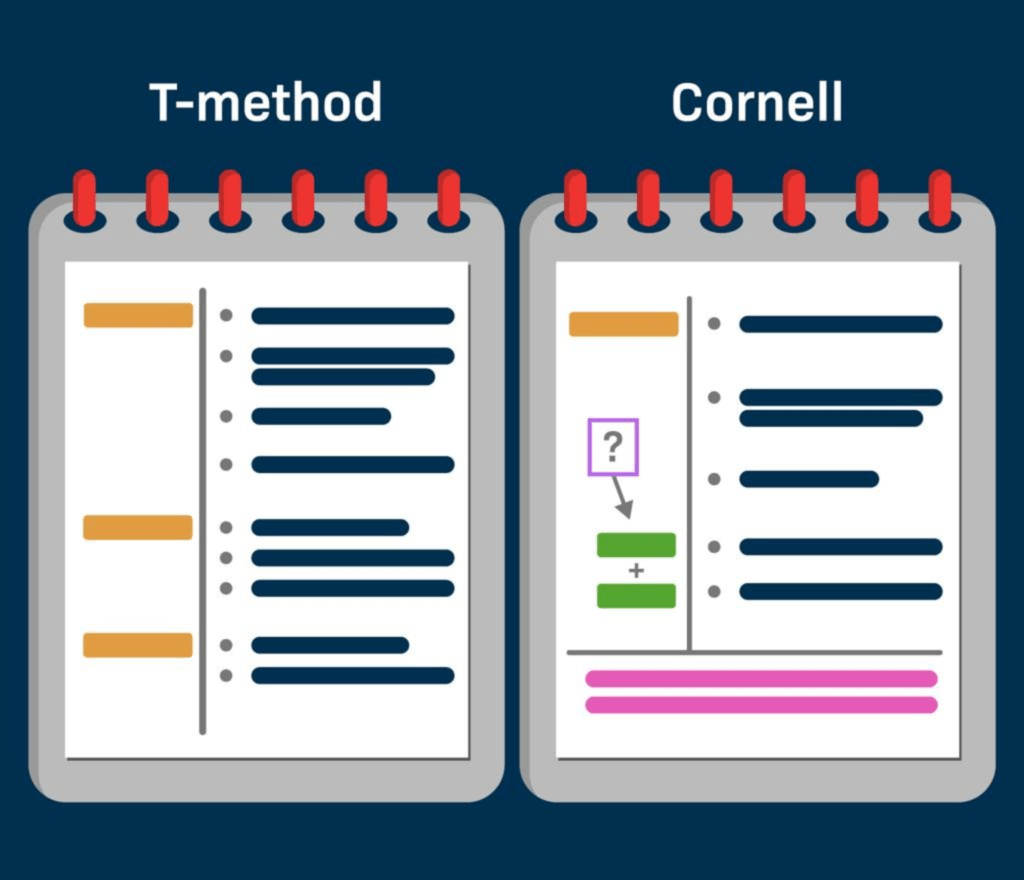
1. The Cornell Method
6
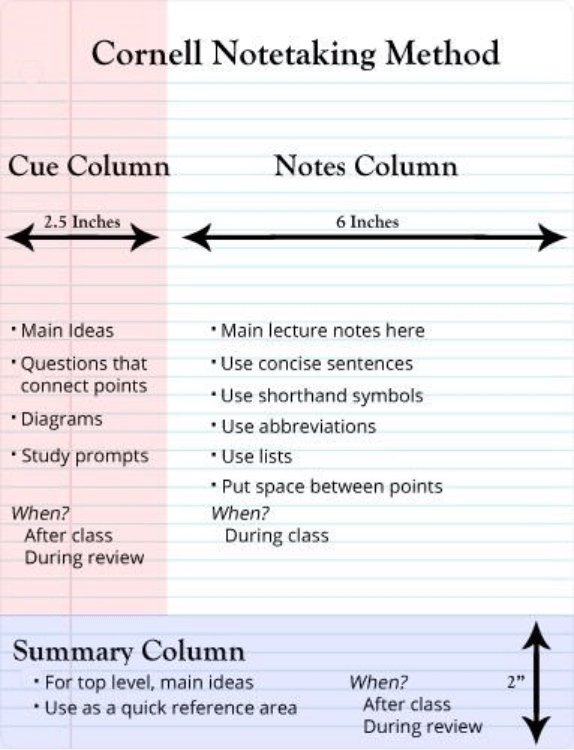
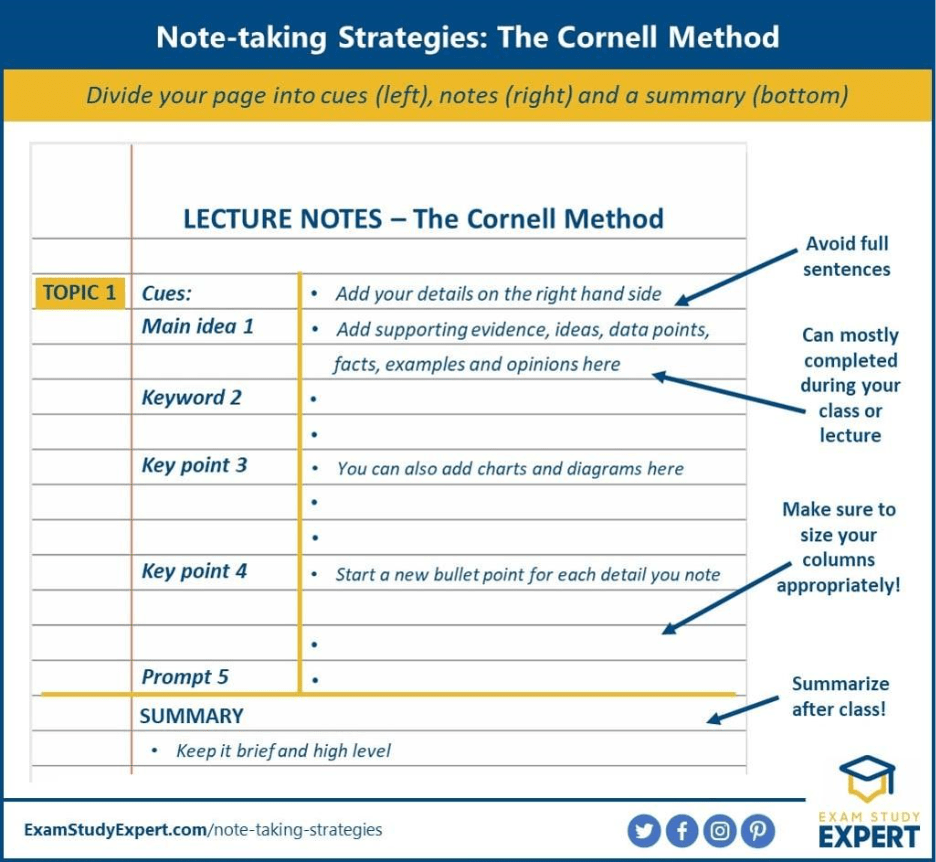
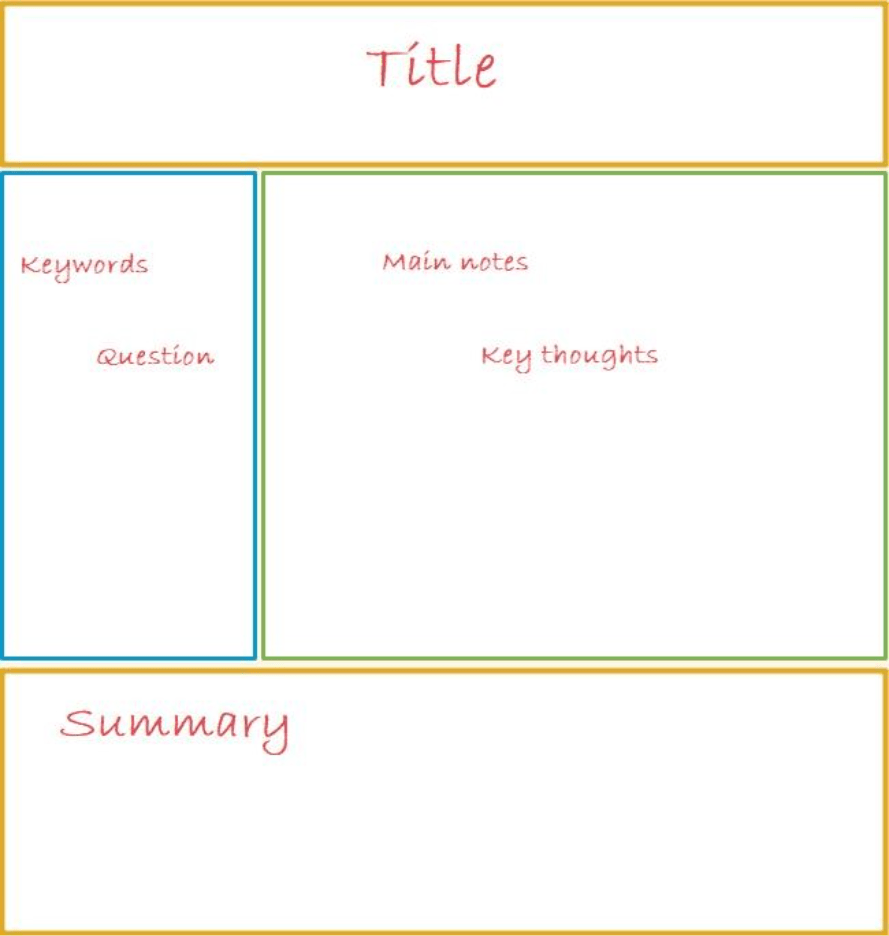
This structured method divides your page into three sections:
- Cue column (left): Keywords or questions
- Notes section (right): Main content
- Summary (bottom): Key takeaways
Best for: Classroom lectures and detailed study sessions
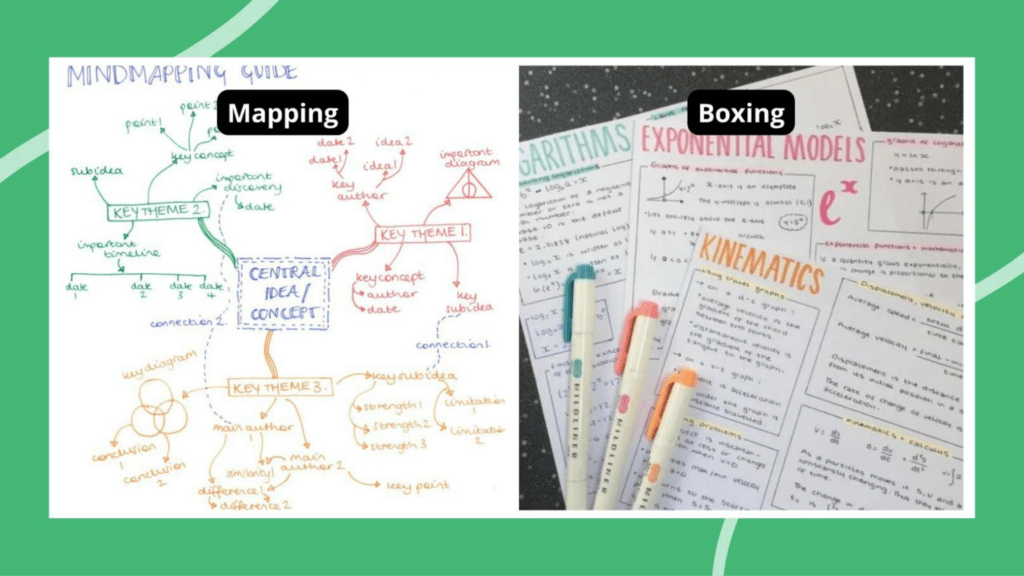
2. The Mind Mapping Method

7
Start with a central idea and branch out into related topics using diagrams.
Best for: Visual learners, brainstorming, and complex topics
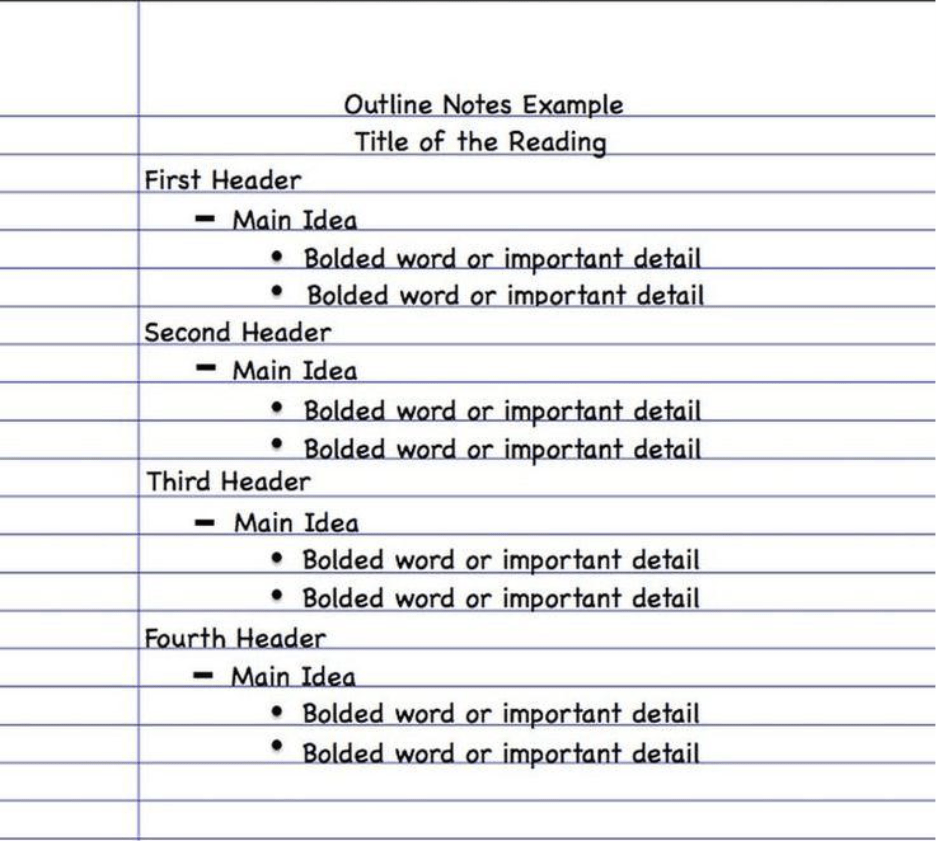
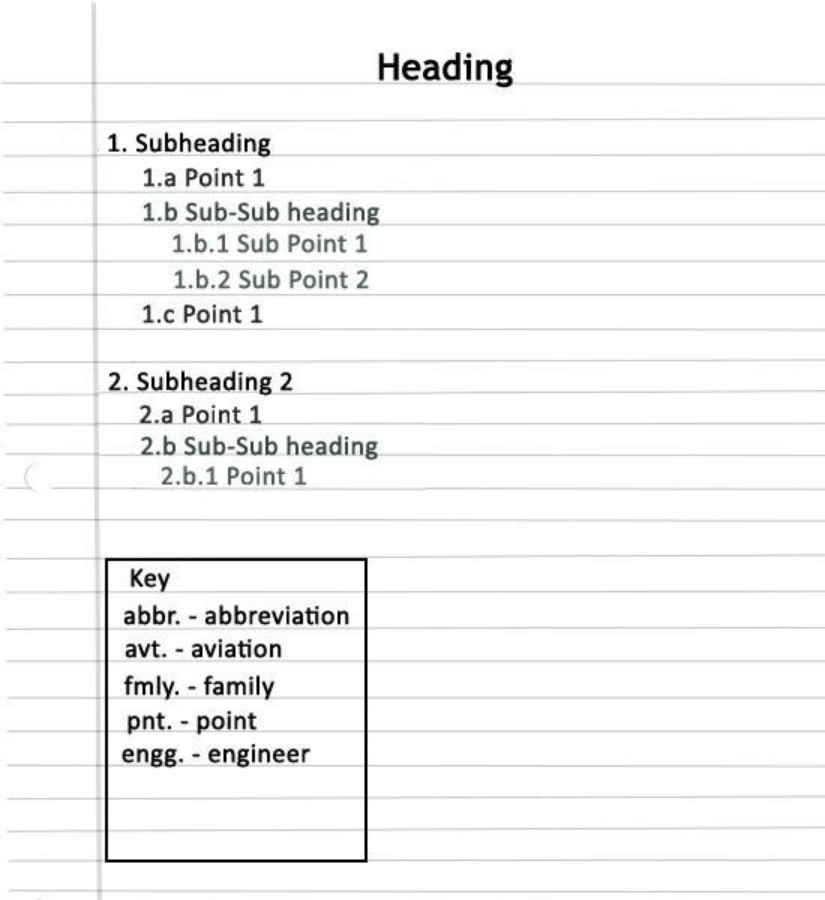
3. The Outline Method

7
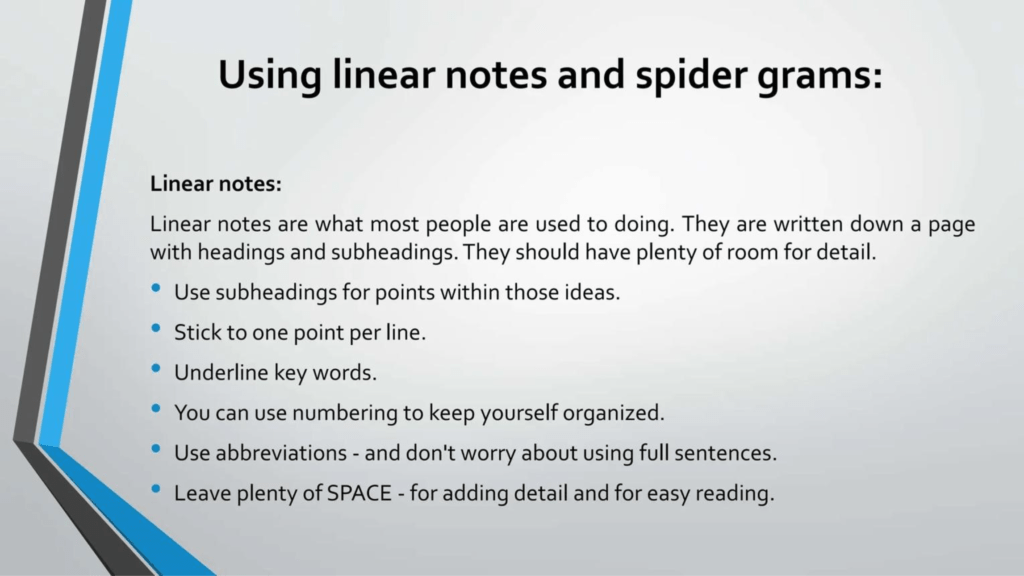
Organize notes in a structured format using headings and subheadings.
Best for: Subjects with clear structure like history or science
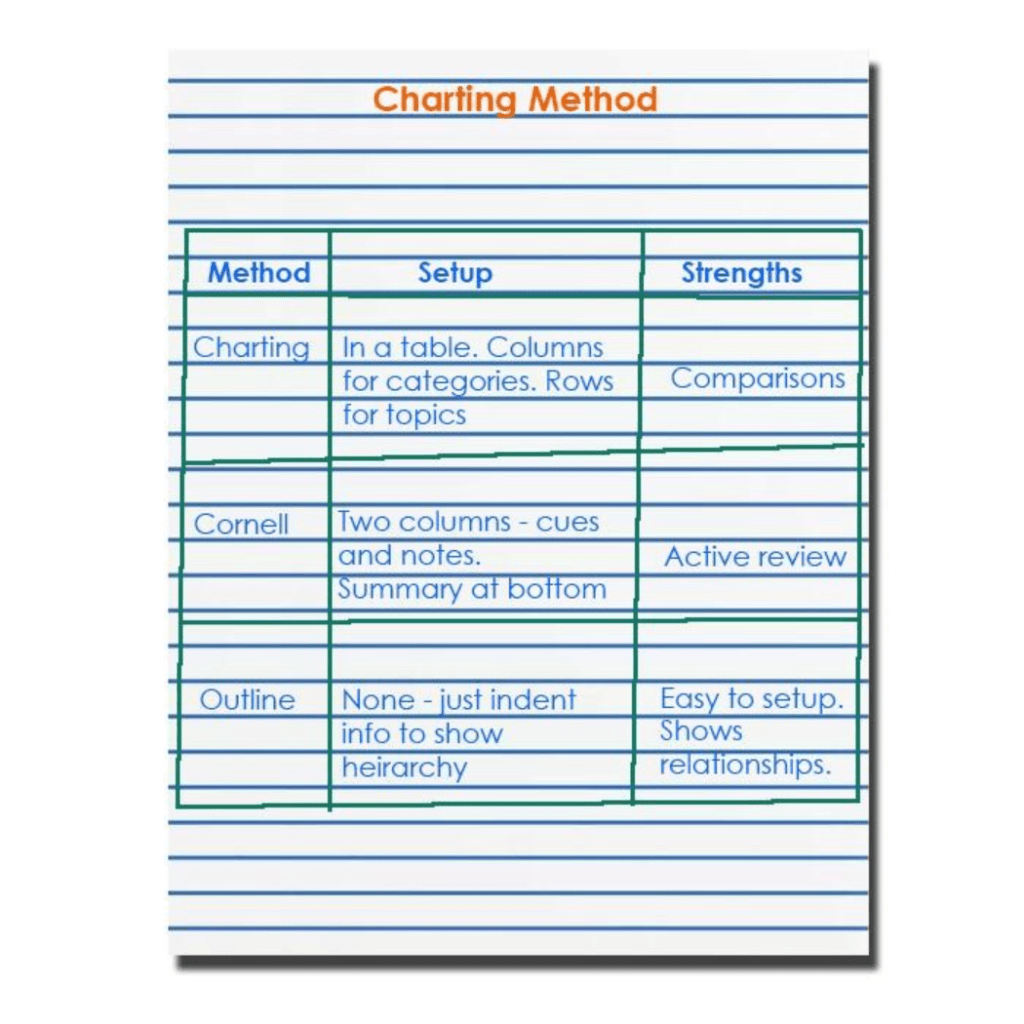
4. The Charting Method
7
Use tables to organize information into categories.
Best for: Comparing multiple topics or data sets
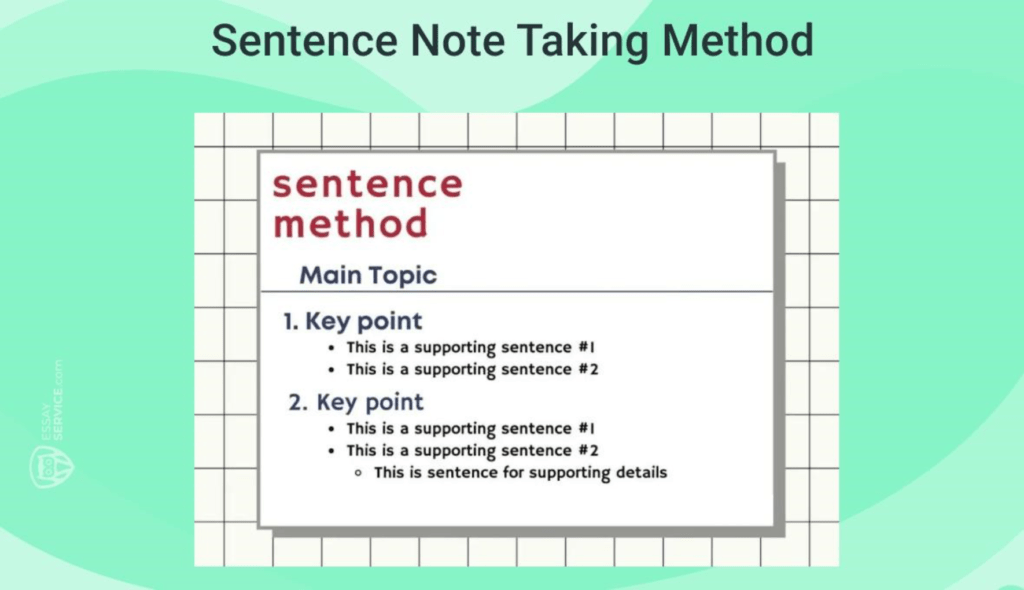
5. The Sentence Method

8
Write each point as a separate sentence in sequence.
Best for: Fast-paced lectures where information flows quickly
Tips for Better Note-Taking
- Be selective: Don’t write everything—focus on key points
- Use abbreviations: Save time with symbols and shortcuts
- Highlight wisely: Mark important concepts, not everything
- Review regularly: Revisit notes within 24 hours
- Stay organized: Use headings, colors, and spacing
Digital vs. Handwritten Notes
| Feature | Digital Notes | Handwritten Notes |
| Speed | Faster typing | Slower but thoughtful |
| Organization | Easy to edit/search | Better memory retention |
| Flexibility | Add multimedia | Great for diagrams |
Best approach: Combine both depending on your needs!
Final Thoughts
There’s no one-size-fits-all method. The best note-taking technique is the one that matches your learning style and helps you understand and recall information effectively. Try different methods, mix them if needed, and refine your approach over time.