
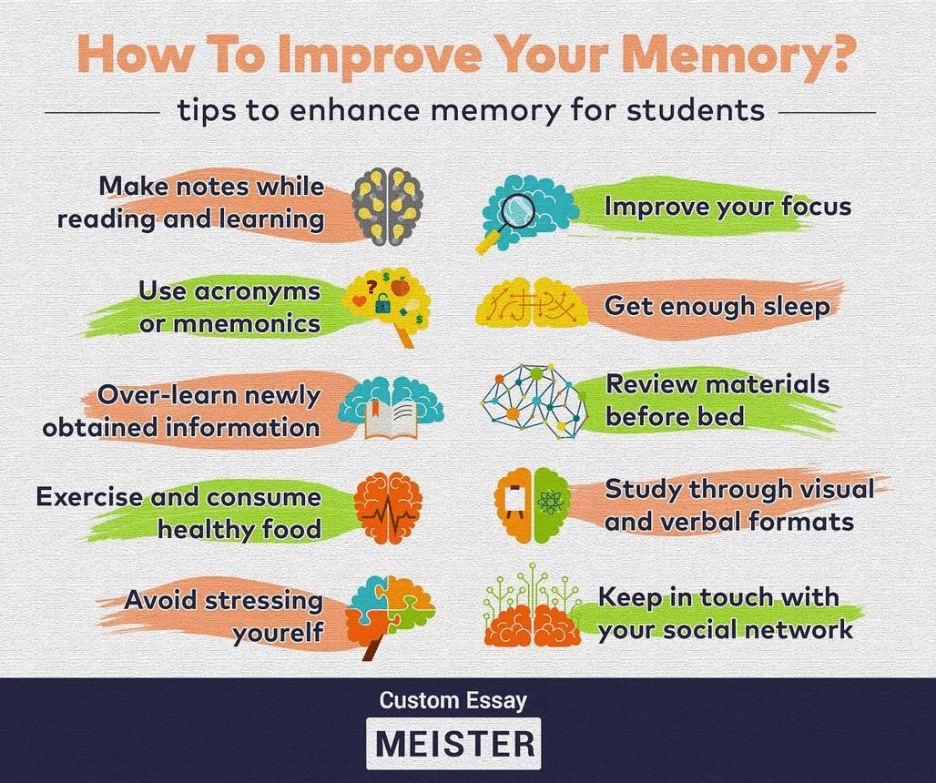

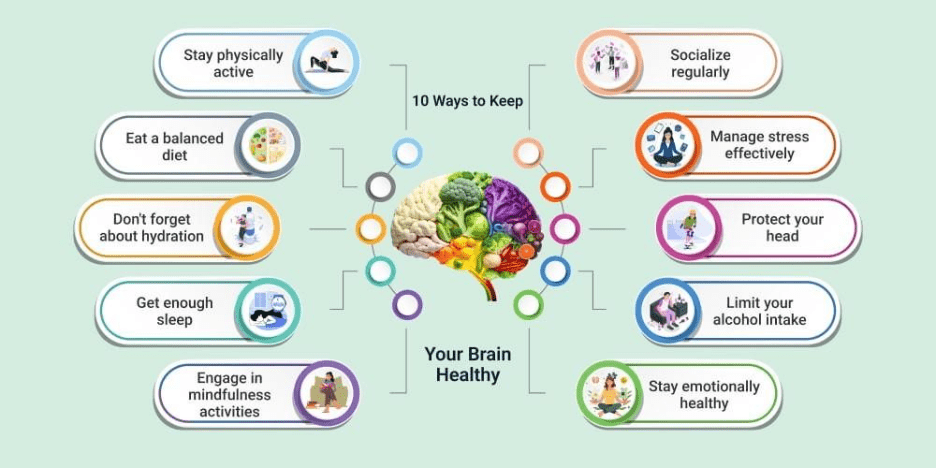
In today’s fast-paced world, having a sharp memory is a powerful advantage. Whether you’re a student, a professional, or someone who simply wants to stay mentally active, improving your memory can enhance learning, productivity, and confidence.
Let’s explore practical and effective memory improvement tips you can start using today.
1. Understand How Memory Works
Memory is the brain’s ability to store, retain, and recall information. It works in three stages:
- Encoding – Taking in information
- Storage – Keeping information over time
- Retrieval – Accessing stored information
Improving memory means strengthening each of these stages.
2. Use Active Learning Techniques
Passive reading isn’t enough. Engage your brain actively:
- Summarize information in your own words
- Teach what you learned to someone else
- Ask questions while studying
This strengthens understanding and recall.
3. Practice Spaced Repetition
Instead of cramming, review information at intervals:
- Day 1 → Learn
- Day 2 → Review
- Day 5 → Review again
- Day 10 → Final review
This technique helps transfer knowledge into long-term memory.
4. Use Mnemonics and Memory Tricks
Make information easier to remember:
- Acronyms (e.g., VIBGYOR for rainbow colors)
- Rhymes or songs
- Visual associations
The brain remembers patterns and visuals better than plain text.
5. Stay Physically Active
Regular exercise improves blood flow to the brain and supports memory function:
- Walking, jogging, or yoga
- Even 20–30 minutes daily can help
A healthy body supports a healthy mind.
6. Get Quality Sleep
Sleep plays a critical role in memory consolidation:
- Aim for 7–8 hours of sleep
- Avoid screens before bedtime
Lack of sleep weakens memory and focus.
7. Eat Brain-Boosting Foods
Your diet impacts your memory:
- Nuts, seeds, and fruits
- Green leafy vegetables
- Omega-3 rich foods like fish
Proper nutrition fuels brain performance.
8. Reduce Stress and Practice Mindfulness
High stress affects memory negatively:
- Practice meditation or deep breathing
- Take short breaks during study sessions
A calm mind remembers better.
9. Stay Organized
Clutter can overload your brain:
- Use planners, notes, and to-do lists
- Break information into smaller chunks
Organized information is easier to recall.
10. Keep Practicing and Challenging Your Brain
- Solve puzzles and quizzes
- Learn new skills
- Read regularly
The more you use your brain, the stronger it becomes.
Final Thoughts
Improving memory isn’t about quick hacks—it’s about consistent habits. By combining active learning, healthy lifestyle choices, and smart study techniques, you can significantly boost your memory over time.
Start small, stay consistent, and your brain will thank you!