
In a rapidly evolving world driven by technology, innovation, and global connectivity, learning is no longer a one-time phase—it’s a lifelong journey. Continuous learning has become essential for personal growth, career advancement, and staying relevant in an ever-changing landscape.
What is Continuous Learning?
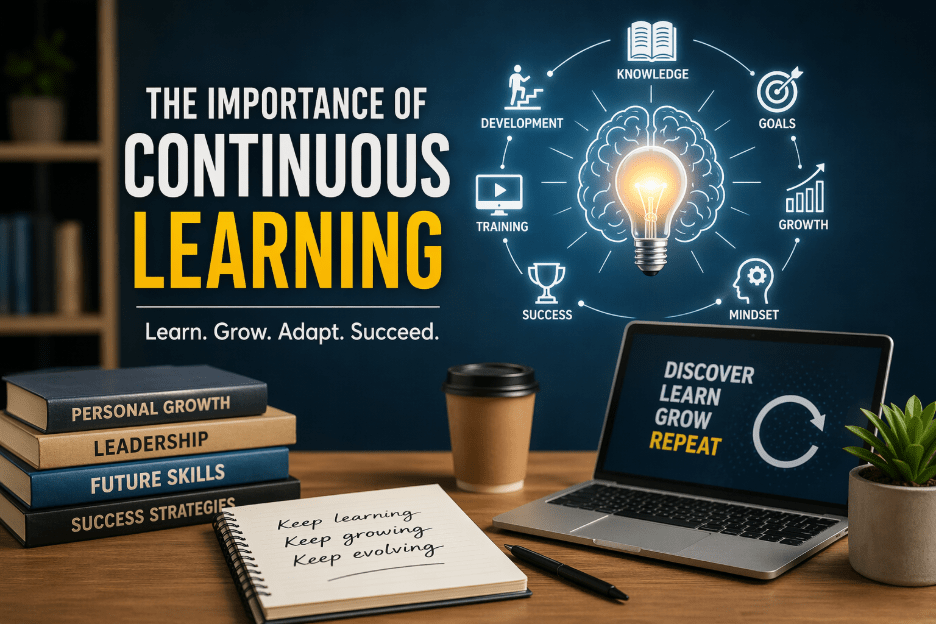
Continuous learning is the ongoing process of acquiring new skills, knowledge, and competencies throughout your life. It goes beyond formal education and includes self-learning, online courses, workshops, reading, and real-world experiences.
Why Continuous Learning Matters
1. Keeps You Relevant in Your Career
Industries are constantly evolving. New tools, technologies, and methods emerge regularly. Continuous learning helps you stay updated and competitive in your field, ensuring your skills don’t become outdated.
2. Boosts Career Growth Opportunities
Employers value individuals who are proactive about learning. Upskilling and reskilling can open doors to promotions, new roles, or even entirely new career paths.
3. Enhances Adaptability
Change is inevitable. Continuous learners are more adaptable because they are used to acquiring new knowledge and adjusting to new environments.
4. Improves Confidence and Self-Esteem
Learning new things builds confidence. Whether it’s mastering a new tool or understanding a complex concept, every achievement strengthens your belief in your abilities.
5. Encourages Innovation and Creativity
Exposure to new ideas and perspectives sparks creativity. Continuous learning helps you think differently, solve problems effectively, and innovate in your work.
6. Supports Personal Growth
Learning isn’t limited to professional development. It also improves your communication skills, critical thinking, and overall mindset, helping you grow as an individual.
Ways to Practice Continuous Learning
- Online Courses & Certifications
Platforms like Coursera, Udemy, and edX offer flexible learning opportunities.
- Reading Books & Blogs
Stay informed about industry trends and new ideas.
- Networking & Community Learning
Engage with professionals, attend webinars, and join forums.
- Hands-on Practice
Apply what you learn through projects or real-life scenarios.
- Learning from Failure
Mistakes are valuable learning opportunities—analyze and improve.
Challenges in Continuous Learning
While continuous learning is essential, it comes with challenges:
- Lack of time
- Information overload
- Difficulty staying consistent
The key is to start small and stay consistent rather than trying to learn everything at once.
Tips to Stay Consistent
- Set clear learning goals
- Dedicate time daily or weekly
- Track your progress
- Focus on practical skills
- Stay curious and open-minded
Conclusion
Continuous learning is not just a skill—it’s a mindset. In a world where change is constant, those who keep learning will always stay ahead. Whether you want to grow professionally, adapt to change, or simply become a better version of yourself, embracing continuous learning is the way forward.