
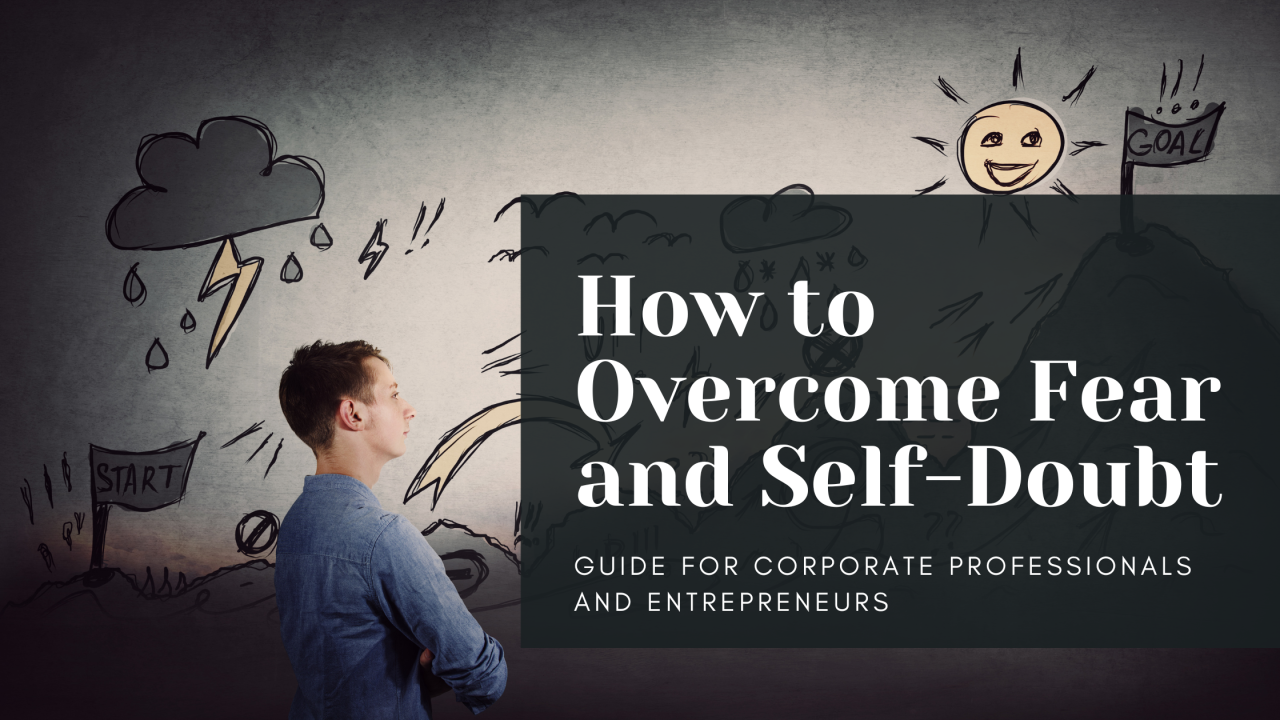
Every student faces moments of fear, comparison, and self-doubt. Whether it’s speaking in class, writing an exam, presenting a project, or choosing a career path, lack of confidence can hold students back from achieving their full potential. But confidence is not something a person is born with — it is a skill that can be built with awareness, effort, and practice.
Confidence grows when students understand their strengths, challenge negative thoughts, and take consistent small steps forward.
⭐ Why Students Struggle With Confidence
✔ Comparison with others
Seeing peers perform better can make students doubt their own abilities.
✔ Fear of failure
Worrying about making mistakes prevents students from even trying.
✔ Negative self-talk
Thoughts like “I’m not good enough” or “I will fail” weaken motivation.
✔ Past experiences
A single bad grade or criticism can impact long-term confidence.
⭐ How Students Can Build Real Confidence
✔ 1. Focus on Progress, Not Perfection
Small improvements matter.
Celebrate tiny wins — finishing a chapter, understanding a new concept, speaking a sentence confidently.
Progress builds belief.
✔ 2. Challenge Negative Thoughts
Replace:
❌ “I can’t do this.”
With:
✔ “I can learn this step by step.”
Your mind believes what you repeatedly tell it.
✔ 3. Practice Consistently
Confidence comes from action.
The more students practice — writing, presenting, solving problems — the stronger they become.
Practice reduces fear.
✔ 4. Step Out of the Comfort Zone Slowly
Start small:
- Answer one question in class
- Present for 1–2 minutes
- Try a new activity
Each small step pushes fear away.
✔ 5. Surround Yourself With Positive Support
Friends, teachers, mentors, and family who encourage you make a huge difference.
Positive environments build positive minds.
✔ 6. Learn from Mistakes Instead of Fearing Them
Mistakes are part of the process.
Use them as feedback — not proof of failure.
⭐ Benefits of Strong Confidence
- Better academic performance
- Improved communication skills
- Reduced stress
- More willingness to try new things
- Stronger decision-making
- A positive, growth-oriented mindset
Confidence transforms how a student sees themselves and their future.