
Intro to Data Science: A Beginner-Friendly Guide
What is Data Science?

6
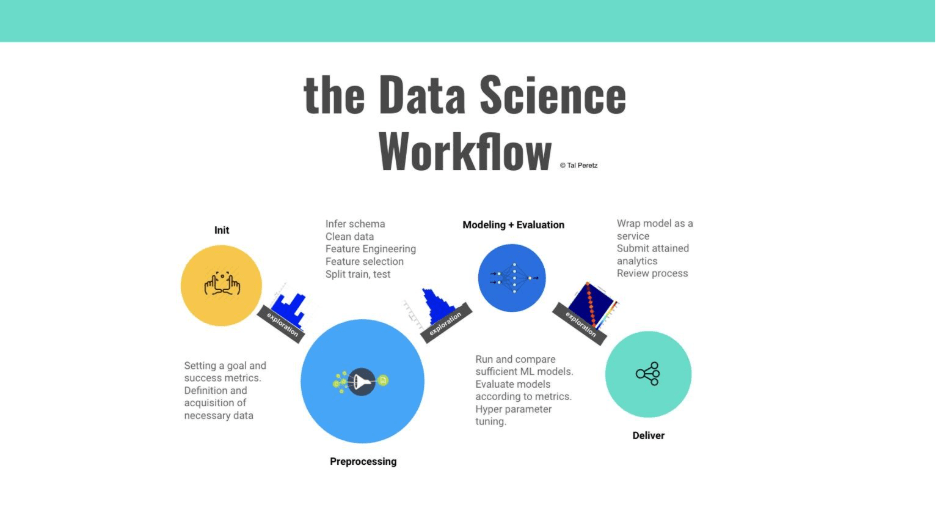
Data Science is an interdisciplinary field that combines statistics, programming, and domain knowledge to extract meaningful insights from data. In simple terms, it’s about turning raw data into valuable information that helps businesses make smarter decisions.
From predicting customer behavior to detecting fraud, Data Science is transforming industries across the world.
Why is Data Science Important?
In today’s digital era, data is everywhere—generated from social media, transactions, sensors, and more. Data Science helps to:
- Make data-driven decisions
- Identify patterns and trends
- Improve business performance
- Build predictive models
- Automate intelligent systems
Organizations that leverage data effectively gain a strong competitive advantage.
Key Components of Data Science

7
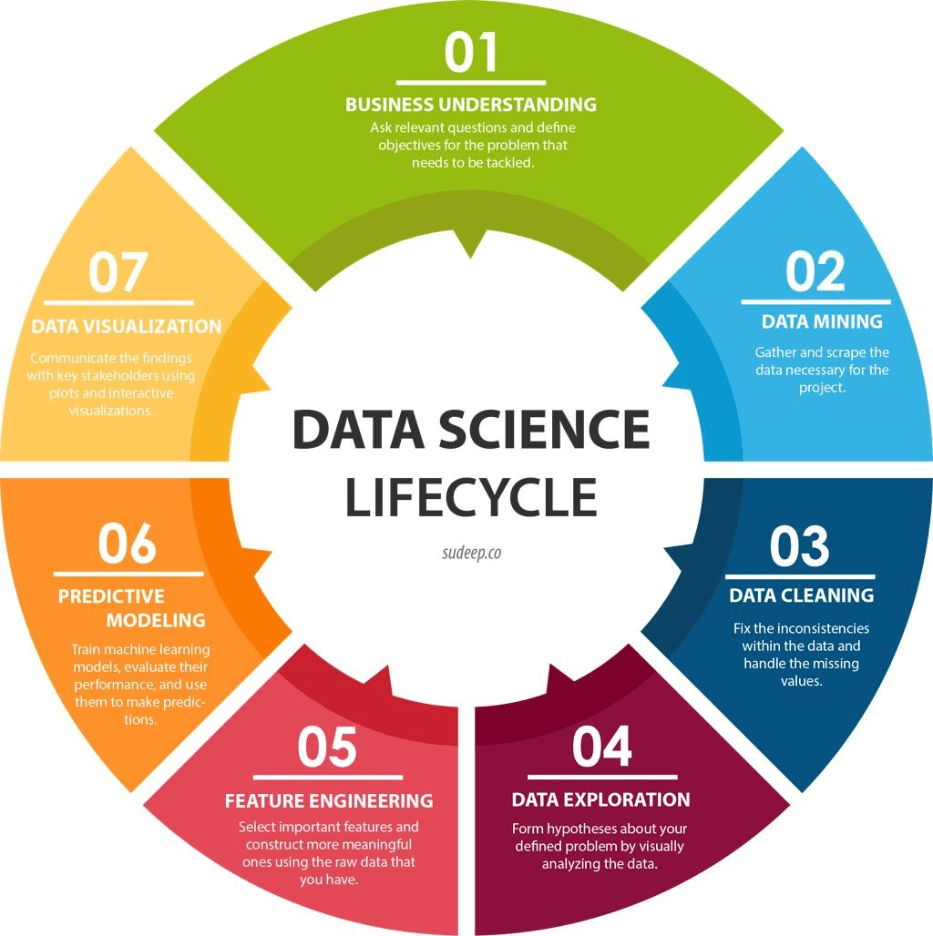
1. Data Collection
Gathering data from various sources like databases, APIs, or files.
2. Data Cleaning
Removing errors, handling missing values, and preparing data for analysis.
3. Data Analysis
Exploring data using statistical techniques to find insights.
4. Machine Learning
Building models that learn from data to make predictions or decisions.
5. Data Visualization
Presenting insights using charts, graphs, and dashboards for better understanding.
Tools & Technologies in Data Science
Here are some commonly used tools:
- Programming Languages: Python, R
- Libraries: Pandas, NumPy, Scikit-learn
- Visualization Tools: Tableau, Power BI
- Databases: SQL, NoSQL
- Big Data Tools: Hadoop, Spark
Applications of Data Science
6
Data Science is used in many real-world scenarios:
- Healthcare: Disease prediction and diagnosis
- Finance: Fraud detection and risk analysis
- E-commerce: Recommendation systems
- Marketing: Customer segmentation and targeting
- Transportation: Route optimization and demand forecasting
Skills Required to Become a Data Scientist
To start your journey, focus on:
- Programming skills (Python or R)
- Statistics & Mathematics
- Data manipulation & analysis
- Machine learning basics
- Communication & storytelling with data
Career Opportunities in Data Science
Some popular roles include:
- Data Analyst
- Data Scientist
- Machine Learning Engineer
- Business Analyst
- Data Engineer
The demand for data professionals is growing rapidly across industries.
Conclusion
Data Science is one of the most exciting and in-demand fields today. Whether you’re a student, developer, or working professional, learning Data Science can open doors to numerous career opportunities. Start small, stay consistent, and keep exploring data—because the future belongs to those who understand it.